
Blog
Choosing the Right Tandoor for Your Restaurant or Hotel Kitchen

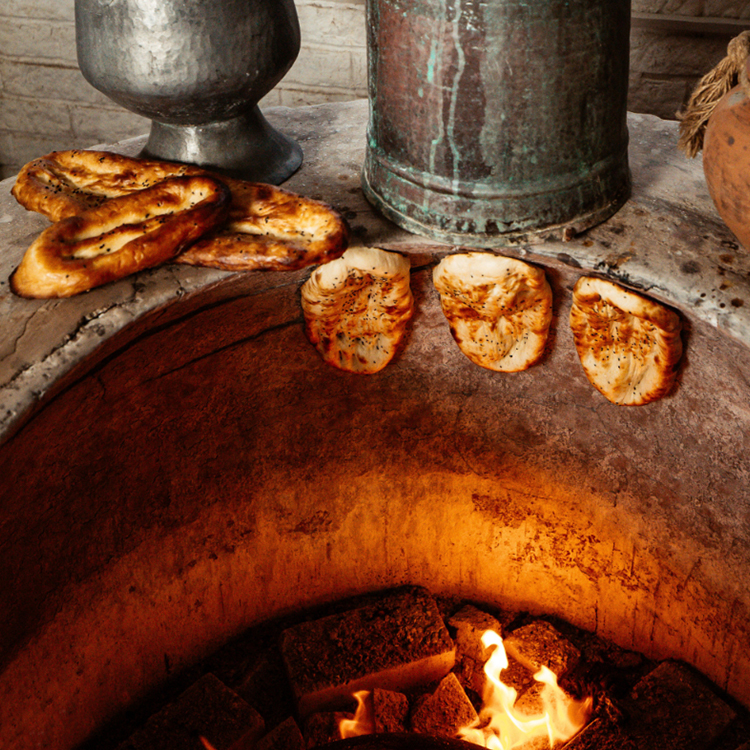
Choosing the right tandoor for your restaurant or hotel kitchen can make a huge difference to food quality, consistency, safety, and day‑to‑day operations. For North American kitchens, it is especially important to match the right tandoor type, fuel, and certification (like an NSF Certified Tandoor) to local codes and high customer expectations.
Introduction — Why Choosing the Right Tandoor Matters
Indian and Middle Eastern dishes like naan, tandoori chicken, kebabs, and roasted vegetables have become staples on many North American menus, from casual eateries to upscale hotel restaurants. A well‑chosen tandoor lets chefs deliver that authentic char, smokiness, and soft‑inside, crisp‑outside texture at scale, night after night.
For commercial kitchens, the right tandoor is not only about flavor but also about fuel efficiency, speed of service, safety compliance, and ease of cleaning. This is why many operators now look for a commercial or restaurant tandoor manufacturer that understands North American regulations, performance expectations, and the realities of busy service.
Types of Tandoors Used in Restaurants & Hotels
Clay Tandoors
Clay tandoors are the traditional option, with a thick clay pot that holds intense, radiant heat and gives breads and meats their signature smoky, earthy character. They are ideal for restaurants that want highly authentic flavors and are willing to invest in proper installation, curing, and periodic clay pot replacement.
On the downside, clay tandoors can be more fragile, may crack over time, and usually require more skill to manage temperature and fuel. In a high‑volume North American setting, this means you need trained staff and a reliable commercial tandoor manufacturer who can provide guidance on installation and maintenance.
Stainless Steel Tandoors
Stainless steel tandoors combine a clay interior pot with an outer stainless-steel body, improving durability, insulation, and hygiene. The steel exterior is easier to wipe down, often better insulated, and more suitable for the cleaning expectations and inspection standards of North American health departments.
These models are popular in restaurants and hotels because they can be designed as either fixed or mobile units, with options tailored to specific menu volumes. Stainless steel construction also helps an NSF Certified Tandoor meet sanitation and material‑safety requirements while still preserving authentic clay‑based cooking.
Gas Powered Tandoors
A gas powered tandoor uses natural gas or propane burners instead of (or in addition to) charcoal, offering faster preheating and more precise temperature control. This is especially valuable in commercial kitchens where consistency, turn‑around time, and fuel efficiency directly impact profitability.
Gas models are widely available from specialized commercial tandoor manufacturers with certifications for gas safety and sanitation in the US and Canada. For many North American restaurants, a gas powered tandoor strikes the best balance between authentic results, easier compliance, and more predictable operating costs.
Charcoal Tandoors
Charcoal tandoors rely on solid fuel to generate intense, dry heat and deep smokiness that many chefs and diners love. They can be a great fit for concepts that emphasize traditional barbecue flavors or open‑kitchen theatrics.
However, charcoal units can be harder to control, slower to start, and subject to stricter ventilation, emissions, and fire‑safety rules in North America. In many cities, operators work closely with their restaurant tandoor manufacturer, local fire marshal, and mechanical engineer to ensure hoods, make‑up air, and safety systems are compliant.
Key Factors to Consider Before Buying a Tandoor
Before investing, it helps to think like both a chef and an operations manager. The right tandoor should fit your menu, kitchen layout, and local regulations.
-
Fuel type:
Gas powered tandoors typically offer the best control and efficiency for high‑volume operations, while charcoal excels in smokiness but may add complexity to ventilation and approvals. Some models support dual fuel or are designed specifically for natural gas or propane, which is important in North American jurisdictions that require listed, certified gas equipment. -
Size and capacity:
Commercial tandoors come in a range of sizes, with different mouth diameters and pot depths to handle more skewers or larger breads per batch. When sizing, consider average and peak covers, menu mix (more breads vs. meat), and whether you plan to expand service, catering, or banquets later. -
Mobility vs. built‑in installation:
Some tandoors are designed as freestanding units with casters, making them easier to position under existing hoods or move for cleaning. Others are built‑in or floor‑set units that may offer better stability and insulation but require more planning with contractors and inspectors. -
Heat retention and cooking performance:
A well‑designed tandoor has thick clay, proper insulation, and efficient burners or fuel chambers to maintain steady high temperatures through service. Better heat retention means faster recovery between batches, more consistent results, and lower fuel consumption. -
Safety and hygiene standards (including NSF):
An NSF Certified Tandoor is designed with food‑safe materials, smooth cleanable surfaces, and sanitary construction that reduces risk of contamination. In North America, this can streamline health inspections, satisfy corporate or franchise standards, and give owners confidence that their equipment supports HACCP and food‑safety programs.
Why NSF Certification Is Essential for North American Restaurants
NSF (formerly the National Sanitation Foundation) develops widely recognized standards for food equipment design, materials, and cleanability. When a tandoor carries NSF/ANSI sanitation certification, it has been independently evaluated to meet strict criteria for hygiene, construction, and food contact safety.
Using an NSF Certified Tandoor helps operators demonstrate due diligence during health inspections and third‑party audits. It also simplifies purchasing for hotel chains, multi‑unit groups, and consultants who often specify certified equipment to avoid compliance issues.
Comparing Local Suppliers vs. Overseas Tandoor Manufacturers
For North American restaurants, there is a choice between buying from local distributors and importing directly from overseas manufacturers.
Local suppliers and distributors can offer faster delivery, local stock, and easier after‑sales support. They may carry models already certified for use in the US and Canada, and can coordinate with installers, gas fitters, and service technicians.
Overseas manufacturers, particularly from India, often bring deep craftsmanship and a long tradition of tandoor building, but not all products are designed for North American codes or NSF/ANSI standards. The best tandoor manufacturer for your project is the one that combines authentic clay work, robust stainless‑steel fabrication, proper testing, and clear documentation for your jurisdiction.
What Makes a Best Tandoor Manufacturer Stand Out
A reliable commercial or restaurant tandoor manufacturer typically offers:
-
Proven experience supplying hotels, chains, and busy independent restaurants.
-
Options for gas powered tandoors, charcoal units, and stainless‑steel bodies with certified or certifiable designs.
-
Support with sizing, layout, fuel choice, and maintenance planning for North American kitchens.
How Pigankshay Enterprises Helps Restaurants Choose the Right Tandoor
Pigankshay Enterprises positions itself as a trusted commercial tandoor manufacturer focused on performance, craftsmanship, and export‑ready build quality. The company specializes in tandoors for restaurants and hotels that need reliable, consistent heat and robust construction for daily service.
As a restaurant tandoor manufacturer, Pigankshay Enterprises can help operators choose between clay, stainless steel, gas powered, or charcoal‑based solutions based on menu style and local regulations. For North American buyers, the brand’s focus on hygiene, durable materials, and customization supports the requirements of restaurants, hotel chains, and catering kitchens seeking long‑term value.
Common Mistakes to Avoid When Buying a Tandoor
Many first‑time buyers underestimate how much the right specification affects day‑to‑day operations. Avoid these common pitfalls:
-
Choosing on price alone: A cheaper unit with poor insulation or thin clay may lead to higher fuel bills, uneven cooking, and premature failure.
-
Ignoring certification and local codes: Buying a non‑listed gas unit or a non‑NSF design can create problems with permits, insurance, and inspections in North America.
-
Under‑sizing the tandoor: If the mouth diameter and depth are too small for your menu and peak demand, you will struggle with ticket times and consistency.
-
Skipping training and maintenance: Even a well‑engineered tandoor needs proper curing, firing procedures, and periodic checks to deliver its best performance.
Working with a knowledgeable commercial tandoor manufacturer helps you avoid these issues by aligning equipment choice with your business model, layout, and regulatory environment.
FAQs About Commercial Tandoors
1. Is a gas powered tandoor allowed in commercial kitchens in the US/Canada?
Yes, gas powered tandoors are widely used in North American commercial kitchens, but they must meet applicable gas safety and sanitation standards and be installed according to local codes. Many models designed for the US and Canada carry NSF/ANSI sanitation certification along with gas safety listings from recognized testing agencies.
2. How long does a clay tandoor last?
The lifespan of a clay pot depends on usage, firing practices, and maintenance, but commercial‑grade clay tandoors can typically last several years under proper care before needing replacement. Excessive thermal shock, over‑firing, or poor curing can shorten the life, while correct preheating and gradual cooling help extend it.
3. What maintenance does a commercial tandoor require?
Routine maintenance includes cleaning the interior of loose debris, wiping the exterior, checking burners or fuel components, and inspecting the clay for cracks. Operators should also follow manufacturer guidance for curing, re‑lining, or pot replacement and ensure vents, gas connections, and safety devices are inspected periodically.
4. Do I need an NSF Certified Tandoor for my restaurant?
While exact requirements vary by jurisdiction, many North American health departments and corporate standards strongly prefer or require NSF‑style certified food equipment. Choosing an NSF Certified Tandoor can simplify plan reviews and inspections and demonstrates a proactive approach to food safety.
5. Can one tandoor handle both breads and meats?
Most commercial tandoors are designed to cook a variety of breads, kebabs, and marinated meats, provided the size, layout, and heat output match your menu volume. High‑capacity units with thicker clay and strong burners are better suited for restaurants that run full tandoor sections throughout lunch and dinner.
Conclusion
For restaurants and hotels in North America, choosing the right tandoor is a strategic decision that impacts flavor, consistency, compliance, and long‑term operating costs. By considering fuel type, capacity, mobility, heat performance, and certifications such as an NSF Certified Tandoor, you can invest in equipment that supports both culinary creativity and smooth inspections.
Partnering with a knowledgeable restaurant tandoor manufacturer like Pigankshay Enterprises helps ensure your gas powered tandoor or charcoal unit is properly specified, robustly built, and ready for the demands of a busy commercial kitchen. With the right guidance and equipment, your tandoor station can become a high‑impact, high‑profit centerpiece of your menu.